

A beautiful home is not only about expensive furniture or trendy decorations. The best interiors are the ones where every space feels naturally connected, like each room belongs to the same story.
Learning how to design seamless interiors means creating a smooth flow between rooms through thoughtful choices in colors, materials, lighting, furniture, and layouts. A well-designed home should feel comfortable to walk through, with transitions that avoid sudden changes that make spaces feel disconnected.
At The SosoActive, we share practical home improvement ideas that help homeowners create spaces that are both stylish and functional. Seamless interior design is not about making every room look identical. It is about creating balance while allowing each area to have its own personality.
What Does Seamless Interior Design Mean?
Seamless interior design focuses on creating visual and functional connections between different areas of your home. Instead of treating the living room, kitchen, hallway, and bedrooms as separate spaces, this approach integrates them.
For example, imagine a home where the living room has warm wooden flooring, but the kitchen suddenly changes to a completely different tile color and style. The transition can feel uncomfortable. A seamless design would use similar tones, textures, or materials to make the change feel natural.
The goal is simple: when someone enters your home, every area should feel like part of one complete design.
Start With a Clear Design Direction
One common mistake homeowners make is choosing furniture, paint, and decorations separately. This often creates rooms that look good individually but do not work together.
Before buying anything, decide the overall feeling you want your home to have.
Ask yourself:
- Do you want a modern and minimal look?
- Do you prefer warm and traditional interiors?
- Should your home feel bright and open?
- Do you want natural materials like wood and stone?
Once you choose a design direction, every decision becomes easier.
For example, if you choose a modern natural style, you may use:
- Soft neutral wall colors
- Wooden furniture
- Natural fabrics
- Simple lighting fixtures
- Indoor plants
These repeated elements help create a connected appearance throughout your home.
Use a Consistent Color Palette
Color is one of the strongest tools when designing connected interiors. You do not need to paint every room the same color, but the shades should work together.
A professional approach is to choose:
- One main color
- Two or three supporting colors
- One or two accent colors
For example, a home may use warm white walls throughout the main areas, with beige furniture and dark wood details. The bedroom can have a slightly deeper shade of beige while still feeling connected.
A practical tip is to take a paint sample or fabric piece from one room when selecting colors for another room. This helps avoid combinations that clash.
Create Smooth Transitions Between Rooms
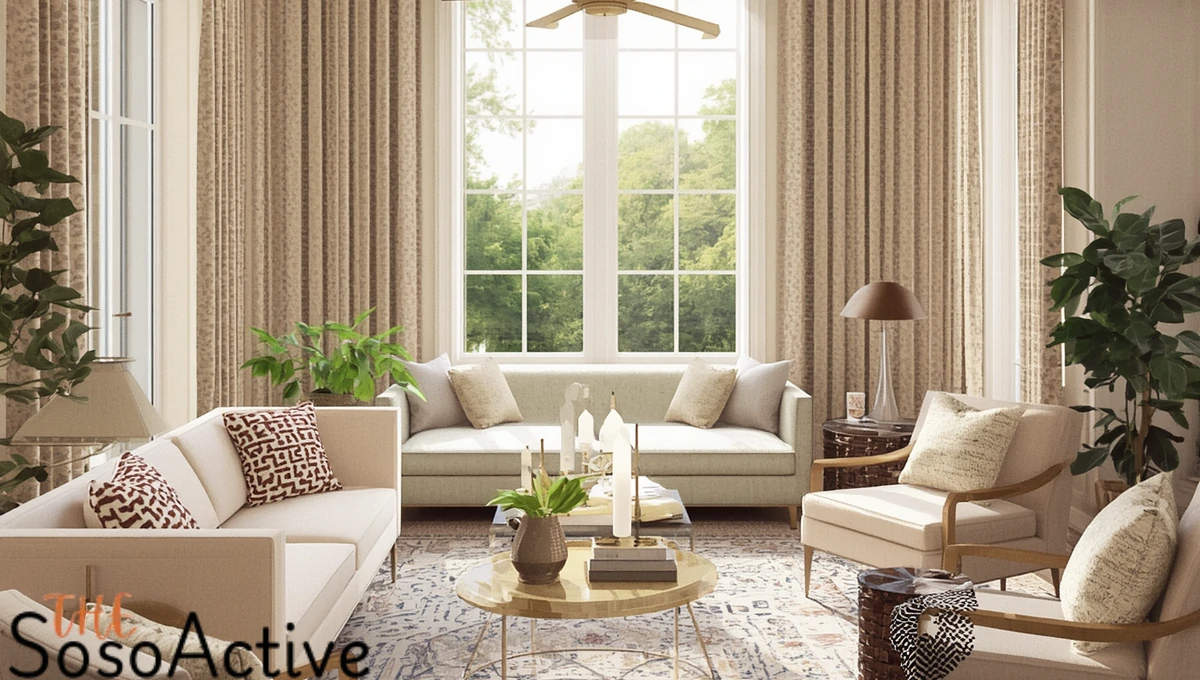
The connection between spaces is where many interior designs fail. The rooms may look attractive individually but feel disconnected when viewed together.
To create smoother transitions, focus on:
Flooring Choices
Using the same flooring across connected areas can instantly improve flow.
For example, an open-plan living room and dining area with the same wood flooring will appear larger and more connected. If different flooring materials are necessary, use similar colors or add a transition element such as a carefully chosen rug.
Repeating Materials
Repeating certain materials throughout your home creates a sense of unity.
A simple example:
- Wooden kitchen cabinets
- Wooden coffee table
- Wooden bedroom side tables
These small connections make the entire home feel thoughtfully designed.
Pay Attention to Furniture Placement
Furniture arrangement has a major impact on how a home feels. Even expensive furniture can make a space uncomfortable if it blocks movement.
When planning layouts, consider walking paths.
A comfortable living room usually needs enough space between furniture pieces for people to move easily. For example, keeping around 30–36 inches of walking space around major furniture areas often creates better movement, although the ideal measurement depends on the room size.
Instead of pushing every piece of furniture against walls, try creating conversation areas.
A sofa facing two chairs with a small table in the center can make a large room feel more welcoming.
Connect Different Areas With Lighting
Lighting is often overlooked, but it plays a major role in creating seamless interiors.
A home feels more connected when lighting styles work together.
For example:
- Use similar metal finishes on light fixtures
- Keep the same warm or cool lighting temperature
- Layer ceiling lights with lamps and accent lighting
A common mistake is using bright white lights in one room and warm yellow lights in another. The sudden change can make the home feel less balanced.
For most living spaces, warm lighting between 2700K and 3000K creates a comfortable residential feel.
Choose Furniture That Matches the Home’s Style
Furniture should support the overall design rather than compete with it.
If your home has clean modern lines, oversized traditional furniture may look out of place.
Think about:
- Shape
- Material
- Color
- Size
For example, a small apartment can feel crowded with a large sectional sofa. A compact sofa with a simple coffee table may create better balance and improve movement.
The right furniture allows the room to breathe.
Add Personality Without Breaking the Flow
A seamless home does not mean a boring home. Your personality should still appear through artwork, decorations, and personal items.
The key is controlling how many different styles appear together.
Instead of filling every wall with different artwork, choose pieces that share similar colors or themes.
For example:
A homeowner who loves travel can display photographs from different countries using matching frames. The memories stay personal while the design remains organized.
Use Natural Elements for a More Connected Feel
Natural materials can make interiors feel warmer and more relaxing.
Popular choices include:
- Wood
- Stone
- Cotton fabrics
- Indoor plants
- Natural fibers
A simple example is adding wooden shelves in the living room and matching them with wooden details in the kitchen. This small connection can make two separate areas feel like they belong together.
Plants are also useful because they bring the same natural element into multiple rooms.
A large plant in the living room and smaller plants near windows can create a continuous feeling throughout the house.
Design Around How You Actually Live
Good interior design is not only about appearance. Your home should support your daily routine.
Think about how your family uses each space.
For example:
A family that cooks frequently may need a kitchen layout with easy access between the refrigerator, sink, and cooking area. A beautiful kitchen that creates unnecessary movement will become frustrating over time.
Similarly, a home office should be placed where noise is manageable, and lighting is comfortable for working.
The best seamless interiors combine beauty with real-life function.
Common Mistakes That Break Interior Flow
Avoid these mistakes when planning your home design:
Mixing Too Many Styles
Combining modern, rustic, industrial, and traditional styles without a plan can make a home feel confusing.
Choose one main style and add small touches from other designs.
Changing Colors Too Suddenly
A bright red room next to a soft neutral living area may create a disconnected feeling unless carefully balanced.
Ignoring Small Details
Small details like door handles, curtains, rugs, and hardware can affect the overall look.
Matching finishes across different areas creates a more professional appearance.
A Simple Step-by-Step Approach to Design Seamless Interiors
If you are starting from scratch, follow this order:
- Decide your overall interior style.
- Select your main color palette.
- Choose flooring and major materials.
- Plan furniture placement.
- Add lighting layers.
- Include decorations and personal touches.
Following this order prevents expensive mistakes because bigger decisions guide smaller ones.
How Much Does Seamless Interior Design Cost?
The cost depends on your home’s size, materials, and whether you are making small updates or a complete renovation.
A simple refresh with new paint, lighting, and accessories may cost a few hundred dollars, while a full interior renovation can reach thousands depending on location and material choices.
For example, changing wall colors and adding new lighting in a small living room may take a weekend and a limited budget. Redesigning an entire open-plan home with new flooring, cabinets, and furniture requires much more planning and investment.
Always create a budget before starting and keep 10–15% extra for unexpected expenses.
Final Thoughts
Understanding how to design seamless interiors is about creating a home where every space feels naturally connected. The best results come from thoughtful planning, consistent materials, comfortable layouts, and designs that match your lifestyle.
You do not need to completely rebuild your home to create better flow. Small changes like repeating colors, improving lighting, and choosing the right furniture placement can make a noticeable difference.
A seamless home feels effortless, where every room works together and makes everyday living more enjoyable.
Explore more practical home design and improvement ideas with The SosoActive to create a home that looks beautiful and works for your lifestyle.
FAQs About How to Design Seamless Interiors
1. What does seamless interior design mean?
Seamless interior design means creating a home where all rooms feel connected through colors, materials, lighting, and layout. It avoids sudden design changes between spaces.
2. How do I start designing seamless interiors in my home?
Start by choosing one overall style and color palette. Then apply it consistently across rooms using similar materials, furniture styles, and lighting tones.
3. Do all rooms need to look the same for seamless design?
No, they don’t need to look identical. Each room can have its own personality, but they should share common design elements to keep visual flow.
4. What colors work best for seamless interiors?
Neutral colors like white, beige, soft gray, and earthy tones work best. You can add accent colors, but keep them consistent throughout the home.
5. Can I mix modern and traditional styles?
Yes, but carefully. Choose one dominant style and use the other only for small accents. Too much mixing can break the flow of seamless interiors.
6. Is flooring important in seamless interior design?
Yes, flooring plays a big role. Using the same or similar flooring across connected areas helps create a smooth and unified look.
7. How important is lighting in creating seamless interiors?
Lighting is very important. Using similar light temperatures and matching fixture styles helps maintain consistency across rooms.
8. Can small homes benefit from seamless interior design?
Yes, small homes benefit even more. Seamless design makes small spaces feel larger, more open, and less cluttered.
9. What is the most common mistake in interior design?
One common mistake is using too many different colors, materials, or styles without a clear plan. This breaks visual flow.
10. Does seamless interior design require a big budget?
Not always. You can achieve a seamless look with simple changes like repainting walls, rearranging furniture, and using matching decor elements.